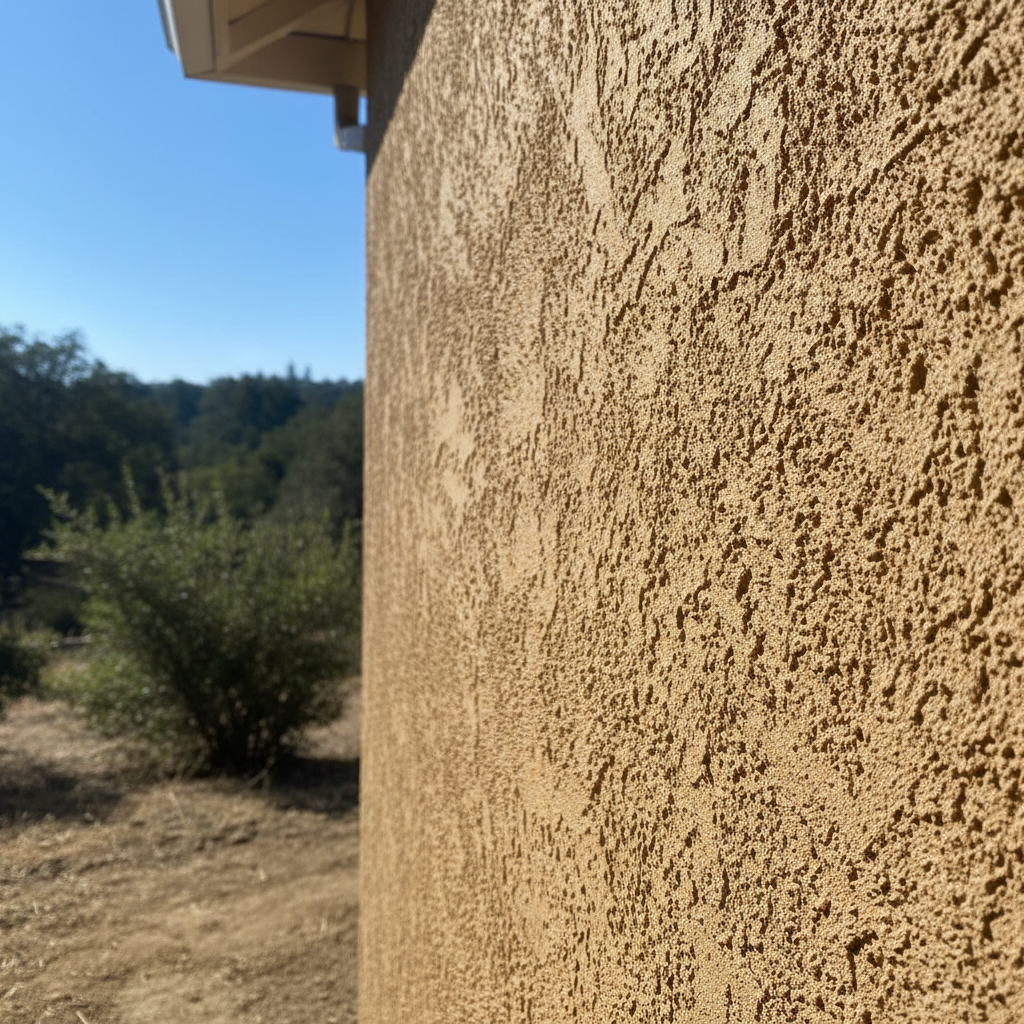
So, you're thinking about putting commercial-grade stucco on your Felton home. Maybe you love the look, or you're hoping for that extra durability you often see on bigger buildings. It's a solid choice, absolutely. But before you dive in, let's chat about what you're really getting into and what you can realistically tackle yourself versus when you absolutely need to bring in a professional.
Before You Start: Planning & Prep
This is where a lot of people jump the gun. You spot a patch that needs fixing, or you've got this grand vision for a whole new look, and you just want to get going. Hold on a minute. Planning is super important, especially with commercial stucco systems, which are often a bit more involved than your standard residential applications.
What You Can Do Yourself (Pre-Project)
- Research & Inspiration: Take some time to check out different finishes and colors. Drive around Felton, maybe look at homes in places like the Fall Creek area, or even some of the commercial buildings downtown. What really catches your eye? What do you definitely not want? Get a clear picture of the style you're aiming for.
- Budgeting: Figure out a rough idea of what you're willing to spend. Remember, commercial-grade materials can cost more upfront, but they usually last longer. Don't forget to include labor costs if you plan on hiring someone.
- Initial Site Assessment: Walk around your house. What's the current state of your exterior? Are there obvious cracks, water damage, or spots that need major repair before new stucco is even an option? Snap some photos. This helps you explain things to a contractor later, believe me.
- Basic Cleaning: If you're only doing a small patch job, you can clean the area yourself. A good power wash (be careful not to damage existing stucco) can really show you what's underneath all that grime.
When to Call a Pro (Pre-Project)
- System Selection: Commercial stucco isn't just one thing, you know? There are different types – traditional three-coat, one-coat, EIFS (Exterior Insulation and Finish Systems). Each has its own good points, bad points, and specific installation needs. You'll need an expert to help you pick the right system for your home's structure, our climate, and your budget. This isn't a DIY decision.
- Structural Assessment: If you suspect any hidden problems like dry rot, significant water intrusion, or structural damage, you absolutely need a professional. Stucco is a covering; it protects what's beneath it. If that's already compromised, new stucco won't fix it – it might even trap moisture.
- Permitting: For any big exterior renovation, especially if it involves structural changes or altering the building envelope, you'll need permits from the county. A good contractor understands the local codes and can handle this process for you. Trying to figure it out yourself can lead to delays and fines.
- Detailed Estimates: Get several bids. A professional will give you a detailed estimate that breaks down materials, labor, timelines, and warranties. This is crucial for comparing offers fairly.
During the Project: Installation & Oversight
This is where the real work happens. Stucco application, especially commercial-grade, is a skilled trade. It's not like painting a wall, not by a long shot.
What You Can Do Yourself (During Project)
- Site Preparation (Basic): You can move outdoor furniture, cover plants, and make sure workers and materials have clear access. This helps the project run smoothly and keeps your property safe.
- Material Handling (Small Scale): If you're tackling a tiny patch, you can mix small batches of stucco yourself. But be warned: consistency is key, and it's much harder to get right than it looks.
- Monitoring Progress: If you've hired a contractor, stay involved. Ask questions, watch the work (without getting in the way, of course), and make sure things are moving along as you discussed. Don't be shy about speaking up if something doesn't seem right.
When to Call a Pro (During Project)
- Application of Stucco: This is the big one. Mixing large batches correctly, applying scratch coats, brown coats, and finish coats with the right thickness, consistency, and technique – all of it is critical. Do it wrong, and you'll end up with cracks, poor adhesion, and water getting in down the road. This is definitely not a weekend warrior job.
- Flashing and Waterproofing: This is probably the most important part of any stucco installation, particularly in our damp Felton climate where we get those heavy winter rains. Correct flashing around windows, doors, and rooflines is non-negotiable for preventing water damage. A professional knows the best practices and materials to guarantee a watertight seal. If this isn't done right, you'll have much bigger problems than just an ugly wall.
- Scaffolding & Safety: Working at heights demands proper scaffolding and safety gear. This isn't something you want to DIY, especially on a larger home.
- Quality Control: A reputable stucco contractor, like us at Pacific Stucco Co, has experienced crews who know how to achieve a uniform, durable, and good-looking finish. They'll also be able to troubleshoot any issues that pop up during application.
After the Project: Finishing Touches & Maintenance
Once the stucco is up, you're not completely done. There are still things to think about to protect your investment.
What You Can Do Yourself (Post-Project)
- Basic Cleaning: Keep the stucco clean. A gentle rinse with a garden hose can get rid of dust and cobwebs. For tougher spots, a soft brush and mild detergent might be all you need.
- Regular Inspections: Walk around your home a few times a year. Look for any tiny hairline cracks, small chips, or areas where water might be sitting. Catching these early can save you a lot of headaches and money.
- Minor Crack Repair: For very small, superficial hairline cracks (we're talking thinner than a credit card), you might be able to use a high-quality elastomeric caulk made specifically for stucco. Just make sure the color matches!
When to Call a Pro (Post-Project)
- Significant Crack Repair: If you see cracks that are wide, long, or show signs of water getting in, don't try to patch them yourself. These often point to underlying issues that need a professional assessment and repair.
- Water Intrusion: Any signs of moisture inside your home, especially near stuccoed walls, means you need a professional stucco and moisture intrusion expert immediately. This isn't a DIY fix; it's a diagnostic and repair job.
- Repainting/Resurfacing: While you can paint stucco yourself, if you're looking to completely change the color or refresh the finish on a large area, a professional will ensure an even application and use the right type of paint for stucco.
- Warranty Issues: If you used a professional contractor, they should offer a warranty on their work. If problems pop up within that period, call them first.
Look, I get it. We all want to save a buck where we can. But when it comes to something as vital as your home's exterior envelope, especially with a system like commercial stucco that's built for durability and weather protection, knowing your limits is key. For anything beyond basic cleaning or a tiny cosmetic patch, you'll be much better off trusting the experts. Your home, and your peace of mind, are totally worth it.